
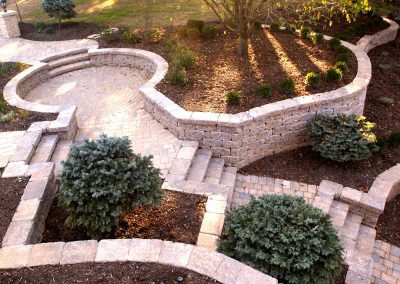
Choosing patio pavers involves more than finding a color or style that looks appealing. The material, surface texture, measurements, pattern, surrounding landscape, seasonal conditions, and intended use can all influence the finished result. Considering these factors early supports an outdoor area that looks cohesive and functions well within the property.
Simes Landscape provides custom hardscape design and installation in Delaware, OH, with options suited to different outdoor settings and project goals. Careful planning for patio paver installations can help balance appearance, functionality, and long-term performance while complementing existing landscape features.
Begin With How the Patio Will Be Used
How the patio will be used should guide its overall layout and design. A small seating area may need a different setup than a space planned for dining, grilling, entertaining, or several activities.
Consider furniture placement, walking paths, access points, and connections to nearby outdoor features. Adequate spacing keeps movement comfortable and prevents the area from feeling crowded.
Defining the intended use before choosing materials makes it easier to determine suitable sizes, shapes, and design details for a paver patio.
Compare Patio Paver Materials
Different materials bring distinct characteristics to an outdoor setting. Three common choices include concrete, brick, and natural stone.
1. Concrete pavers come in a broad range of shapes, sizes, finishes, and tones. Their versatility makes them adaptable to many architectural and landscape styles.
2. Brick pavers offer a classic appearance and can introduce warm color and traditional character.
3. Natural stone provides organic variation in texture and shade, giving each installation a distinctive look.
The appropriate selection depends on the desired aesthetic, surrounding features, expected activity, upkeep preferences, and overall project design. Looking at larger samples or completed installations can also provide a better sense of how a particular option will appear across a full patio.
Coordinate Colors With Existing Features
A new outdoor surface should relate naturally to its surroundings. Exact color matching is not always necessary; complementary shades can create greater visual depth.
Existing exterior finishes, stonework, retaining walls, walkways, steps, planting beds, and nearby hardscape features can guide the selection of a complementary color palette. Warm earth tones can produce one effect, while grays and other neutral shades may create a cleaner, more contemporary appearance.
Experienced paver contractors can help compare combinations that fit the architecture and landscape without making the new area appear disconnected from nearby elements.
Consider Texture Along With Appearance
Surface texture contributes to the character of a patio and deserves consideration alongside color.
Smooth finishes can create a polished look, while tumbled, textured, or stone-inspired surfaces may provide a more rustic or natural effect. The surrounding setting can help determine which finish feels most appropriate.
The intended location matters as well. Areas near pools, pathways, steps, or other frequently traveled sections may have different surface requirements than a sheltered seating zone. Selecting texture with both appearance and practical use in mind creates a more complete design.
Find a Pattern That Suits the Area
The arrangement of individual units can significantly change the overall look. Running bond, herringbone, basketweave, modular configurations, and other patterns offer different visual effects.
Scale should also be considered. Larger-format pieces can produce a sleek appearance across expansive areas, while smaller or mixed-size units can add more detail and movement.
Borders provide another opportunity to define the layout. A contrasting edge may emphasize the perimeter, distinguish separate zones, or coordinate with nearby paths. The goal is to select an arrangement that adds interest without overwhelming the surrounding setting.
Consider Seasonal Weather and Site Conditions
Outdoor surfaces in Delaware, OH, are exposed to temperature shifts, moisture, freezing conditions, and thawing throughout the year. These seasonal changes make proper preparation beneath the finished surface especially important.
Excavation depth, base preparation, compaction, grading, drainage, and edge restraints all influence how the installation performs over time. Proper drainage is essential to reduce water buildup in low areas or beneath the paved surface.
Patio materials should also be chosen based on how well they suit the local climate and seasonal conditions. Well-executed patio paver installations address both the visible design and the supporting foundation beneath it.
Keep Maintenance Requirements in Mind
Outdoor materials are continually exposed to weather, soil, leaves, spills, and regular foot traffic. Understanding upkeep requirements before making a selection can help set realistic expectations.
Routine cleaning may be needed to remove surface debris or staining. Joints can also require attention over time, depending on the installation and surrounding conditions.
Individual paving units offer an additional practical advantage. If a localized section becomes damaged, disturbed, or uneven, specific pieces can often be removed, reset, or replaced rather than requiring work across the entire patio.
Maintenance needs should be considered during the initial selection process, not after the patio is installed.
Connect the Patio With the Surrounding Landscape
A patio should feel naturally integrated with the rest of the outdoor setting. Nearby walkways, lawn areas, planting beds, trees, retaining walls, steps, pools, fire features, and cooking spaces can influence the overall design.
Connections between these elements also matter. Walkways can link different areas, while borders and plantings create a smoother transition between paved surfaces and landscaped sections. Planning enough room for features such as a fire pit, outdoor kitchen, or additional seating also makes future additions easier to incorporate.
A well-planned paver patio can become a central feature that ties multiple outdoor elements together.
Bring Every Patio Detail Together With Simes Landscape
A successful patio depends on more than the pavers visible at the surface. Proper preparation beneath them also plays an important role in stability and long-term performance.
Skilled paver contractors assess site conditions, grading, and surrounding elevations before installation begins. Proper preparation helps create a stable patio by accounting for drainage, base support, and accurate surface alignment.
Choosing patio pavers involves more than selecting a preferred style. Material, finish, color, pattern, maintenance, climate, site preparation, and nearby landscape features all influence the result. Bringing these elements together creates a patio that is both visually cohesive and practical for long-term use.
Contact Simes Landscape at https://www.simeslandscape.com/to start planning patio paver installations in Delaware, OH.
FAQs:
Yes. A paver patio can add structure and purpose to an outdoor area by creating space for dining, seating, gatherings, or quiet relaxation. Simes Landscape can design the layout around existing landscape features and the way the space is intended to be used.
The best choice depends on the desired appearance, expected use, maintenance needs, and surrounding features. Concrete, brick, and natural stone are common options, each offering different textures, colors, and characteristics. Weather in Delaware, OH, should also be considered when choosing patio materials.
Replacing an old concrete patio may be worthwhile if the surface is extensively cracked, uneven, deteriorated, or no longer suits the desired design. Pavers offer numerous choices in patterns, colors, and finishes. Individual units may also be easier to replace when localized damage occurs.
Yes. Patio pavers can be arranged in patterns such as herringbone, running bond, basketweave, and modular layouts. Borders, contrasting tones, different sizes, and other design details provide additional customization. The layout can also coordinate with walkways, landscaping, seating areas, and nearby hardscape features.
The timeframe varies according to patio size, site access, excavation requirements, layout complexity, weather, and additional features. Simes Landscape can provide a more accurate project timeline after evaluating the site and proposed design.
Yes. Many patio layouts can work around established planting beds, trees, walkways, retaining walls, and other landscape elements. Site conditions, drainage, grades, root systems, and available space should be evaluated before installation to determine how the paved area can fit naturally into the existing landscape.
Long-term performance depends on proper excavation, base preparation, compaction, grading, drainage, edge restraints, and accurate paver placement. These installation steps provide a stable foundation and reduce the likelihood of avoidable shifting or settling. Material quality and routine maintenance also contribute to the patio’s performance over time.
In many cases, pavers make localized repairs more manageable because individual units can be removed, reset, or replaced without disturbing the entire surface. Concrete repairs may involve a larger section and can sometimes remain noticeable afterward. The appropriate repair method depends on the type and extent of damage.
Preparation varies based on soil conditions, grading, drainage, accessibility, vegetation, and any existing surface that requires removal. A typical project may involve excavation, establishing proper elevations, preparing and compacting the base, and managing water flow before pavers are installed in the planned area.
Start by identifying the preferred location, approximate dimensions, intended use, and desired appearance of the patio. Simes Landscape can review the site and discuss suitable materials, patterns, and layout possibilities. This provides a clear starting point for planning patio paver installations in Delaware, OH.